
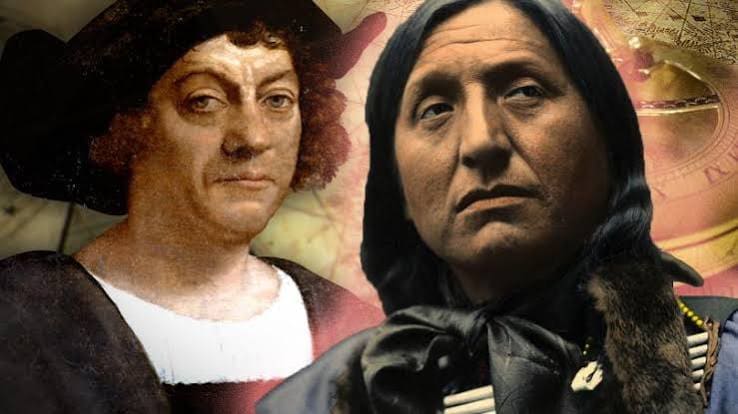
A Shift in Perspective
In recent years, there has been a growing movement to recognize Indigenous Peoples’ Day in the United States, often in place of or alongside Columbus Day. This shift reflects a broader effort to honor the history and contributions of Native American communities, while also acknowledging the complex and often painful history associated with European colonization.
Columbus Day: A Traditional Celebration
Columbus Day has traditionally celebrated Christopher Columbus’s arrival in the Americas on October 12, 1492. For many, it has been a day to recognize Italian-American heritage and the spirit of exploration. However, Columbus’s arrival also marked the beginning of centuries of colonization, which led to the displacement and suffering of Indigenous peoples.
Indigenous Peoples’ Day: A New Narrative
Indigenous Peoples’ Day offers an opportunity to celebrate the rich cultures, histories, and contributions of Native American communities. It serves as a reminder of the resilience and strength of Indigenous peoples and encourages a more inclusive understanding of American history.
Why It Matters
Recognizing Indigenous Peoples’ Day alongside or instead of Columbus Day is more than just a symbolic gesture. It represents a commitment to acknowledging historical truths and fostering respect and understanding among all communities. This change encourages us to reflect on the past and work towards a more equitable future.
For more information on how these changes might affect you or your community, feel free to reach out to our agency. We’re here to provide insights and support on this important topic.